


Tattoo History: The Origins, Traditions, and Cultural Significance of Tattoos Throughout Time (Part 2)

Tattooing was practiced across a broad range of indigenous cultures throughout North, Central, and South America prior to and following European contact. Archaeological evidence includes tattooed mummies from the Chiribaya culture in coastal Peru (900–1350 CE) and the Paracas and Nazca cultures, whose remains bear zoomorphic and geometric designs.
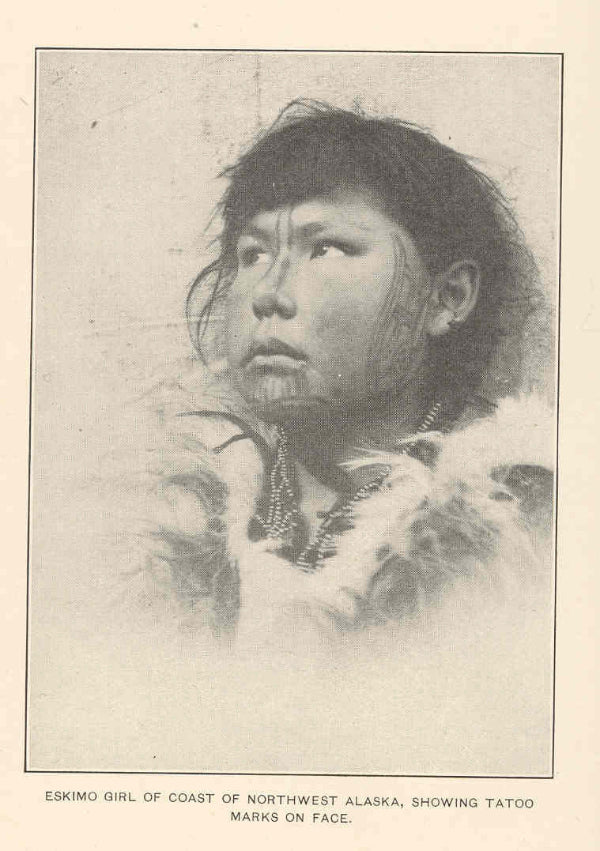
Among various Plains tribes of North America, tattoo marks served as records of warrior achievements and spiritual protection. The Haida and other Northwest Coast peoples integrated tattooing into complex systems of clan identity, crest display, and ceremonial practice. Inuit peoples of the Arctic — including the Yupik and Inupiaq — practiced a tradition of women's facial and hand tattooing called kakiniit, which marked life transitions such as puberty and marriage and held spiritual significance related to the afterlife. Kakiniit was suppressed during the 20th century through missionary and government interference, but has seen active revitalization in recent decades.
South and Southeast Asia: Sacred and Ritualistic Practices
The practice of Sak Yant — sacred geometric tattooing performed by Buddhist monks and brahmin priests — has been documented in Thailand, Myanmar, Cambodia, and Laos for several centuries, though its origins are difficult to date precisely. Sak Yant designs incorporate Pali or Sanskrit script, yantra (sacred diagrams), and zoomorphic imagery. The tattoos are believed to confer specific spiritual protections, blessings, or attributes depending on the design selected and the ritual performed during application.


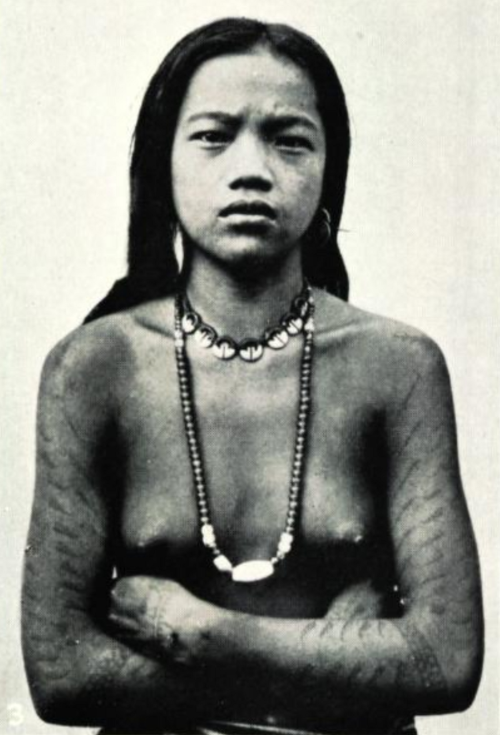
In the Philippines, the Kalinga people of the Cordillera region have maintained a tattooing tradition with documented continuity spanning several centuries. Traditional Kalinga tattoos — called batok — were applied using citrus thorns and hand-tapping techniques. Historically, tattoos marked headhunting achievements for men and signified beauty and social status for women. Whang-Od Oggay (born c. 1917), widely regarded as the last practitioner of traditional Kalinga tattooing for much of the late 20th century, trained apprentices before her death, ensuring the continuation of the practice.
Europe: Classical Antiquity Through the Medieval Period
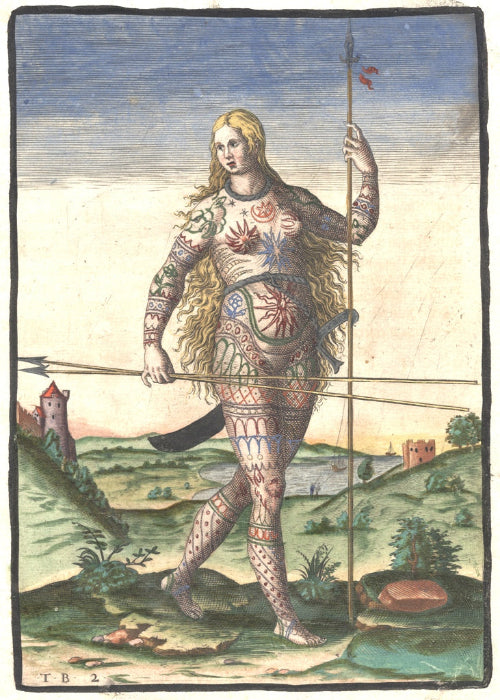
Classical Greek and Roman sources record tattooing among various peoples of northern and western Europe. The Picts of Scotland are frequently cited as heavily tattooed, though the extent and nature of their markings is debated among historians due to limited physical evidence. The Roman author Pliny the Elder and Julius Caesar both describe body marking among Celtic and Germanic peoples, typically in the context of warfare.
In the Greco-Roman world, tattooing was primarily associated with low social status. Enslaved people and convicted criminals were tattooed for identification purposes — a practice documented across both Greek and Roman legal and literary sources. The term used in Greek, stigma (plural: stigmata), originally referred to a brand or mark of this kind, which later acquired broader religious connotations in Christian usage.

Christian pilgrimage tattooing represents a distinct Europeantradition. Pilgrims traveling to Jerusalem, beginning at least in the medieval period, received small tattoos — typically crosses or religious symbols — as permanent documentation of their journey. The practice was maintained by Coptic Christian tattooists in Jerusalem, some from families with documented multigenerational involvement in the trade. Pilgrim tattooing persisted into the modern era.
The Modern Western Tradition (18th Century–Present)
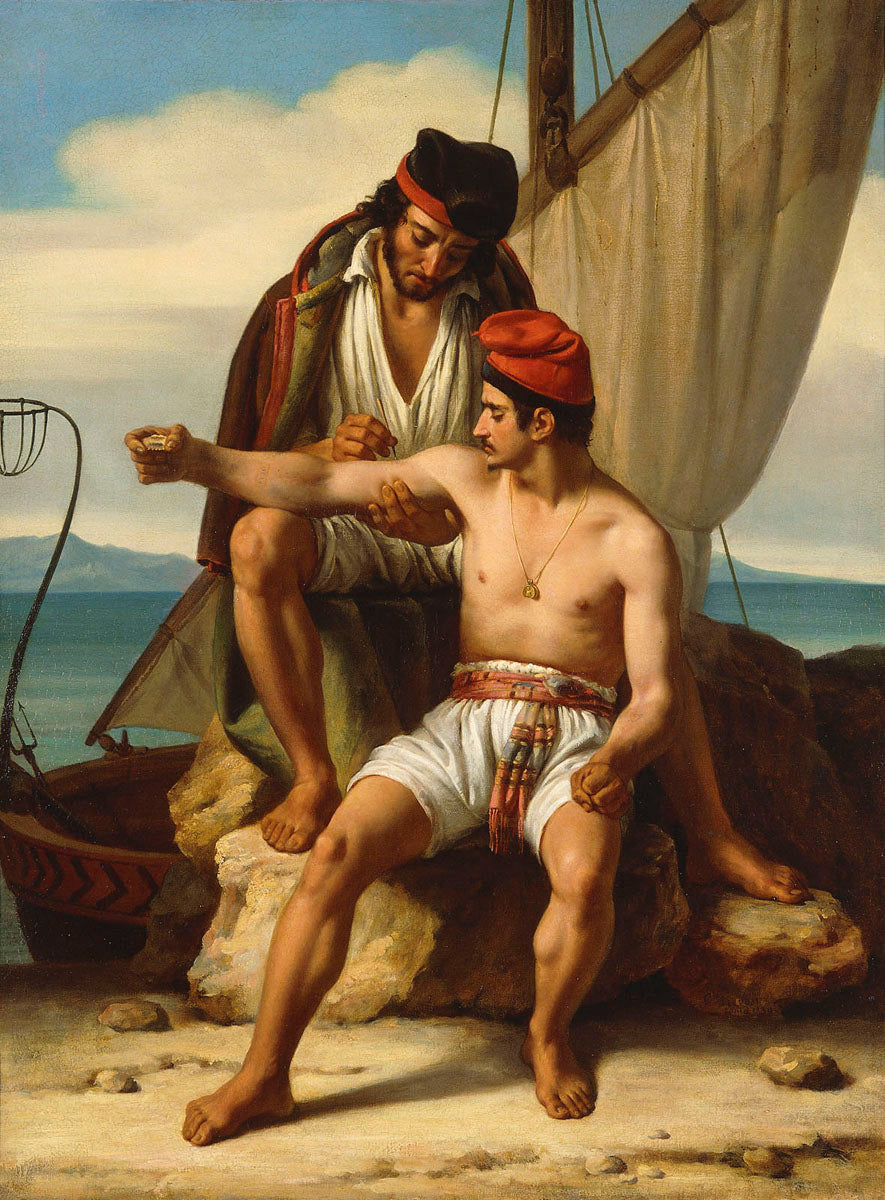
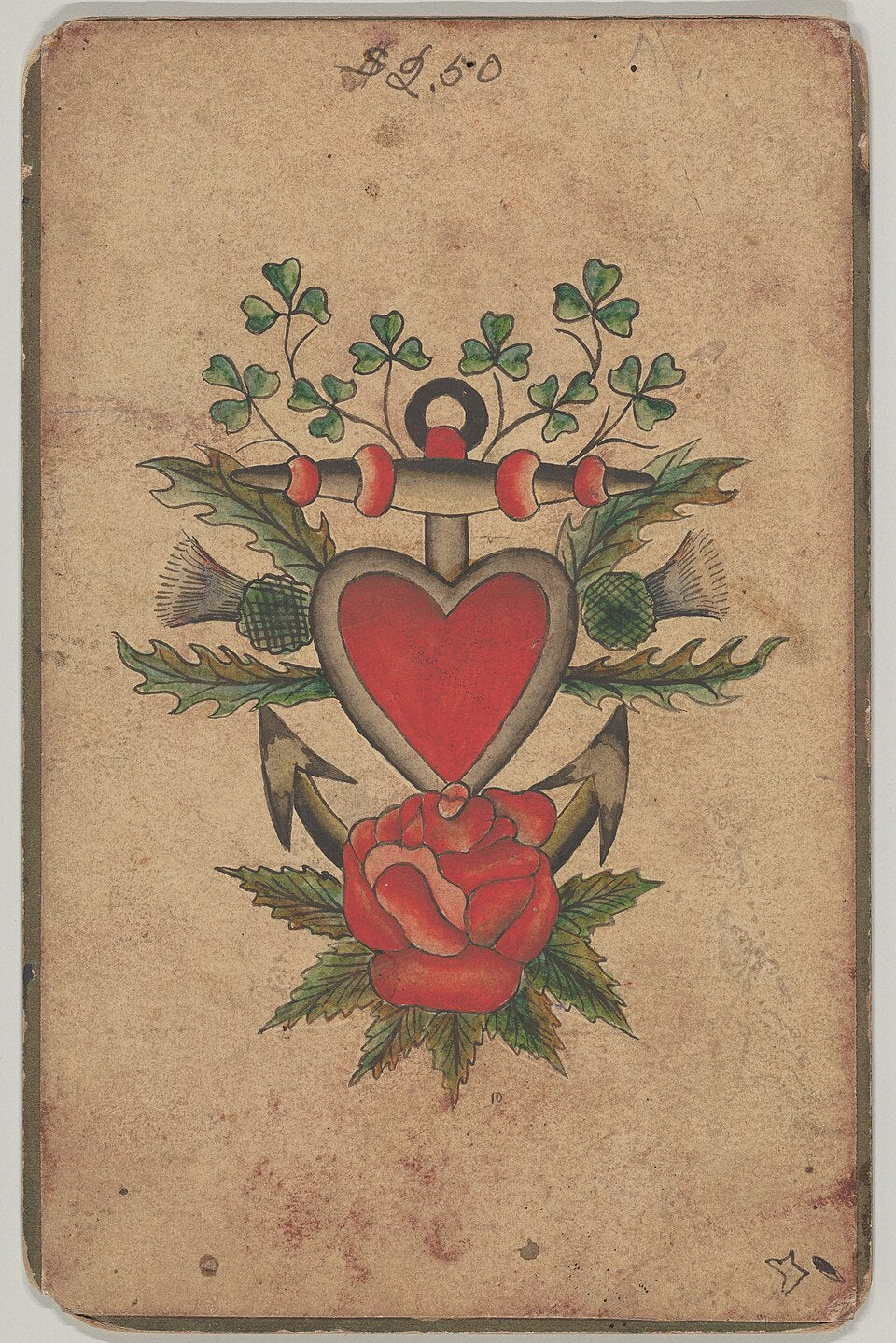
European contact with Pacific tattooing practices during the 18th century introduced the term and renewed interest in tattooing among Western populations. Naval culture played a significant role in its spread: sailors incorporated tattoos as mementos of ports visited, as talismans, and as identifiers should their bodies be recovered at sea. Common maritime motifs — anchors, swallows, ships, and port names — became standardized iconography.
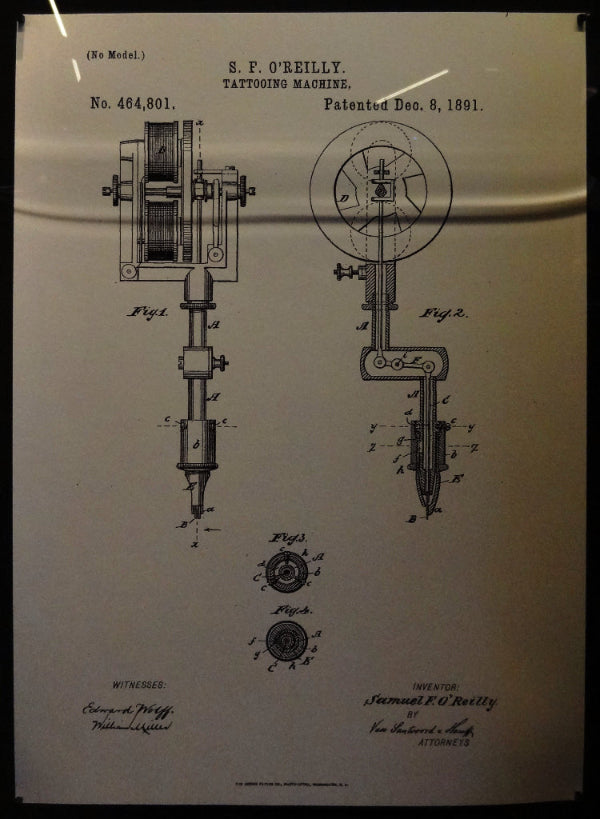
The development of the electric tattoo machine marks a decisiveturning point in Western tattooing history. Samuel O'Reilly patented the first electric tattoo device in New York in 1891, adapting a design from Thomas Edison's electric pen. The machine significantly increased speed and accessibility, enabling the establishment of commercial tattoo parlors and the democratization of the practice.
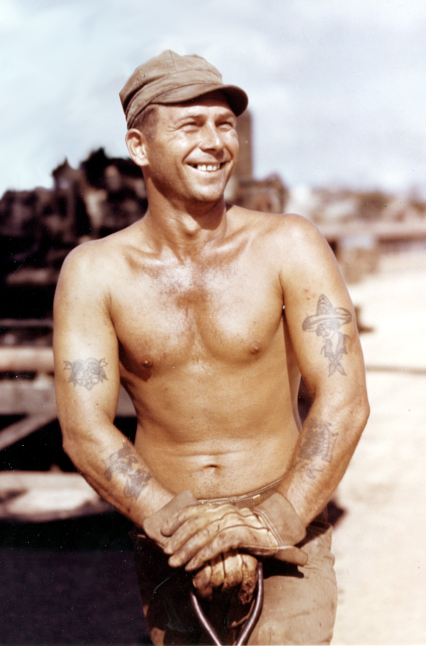
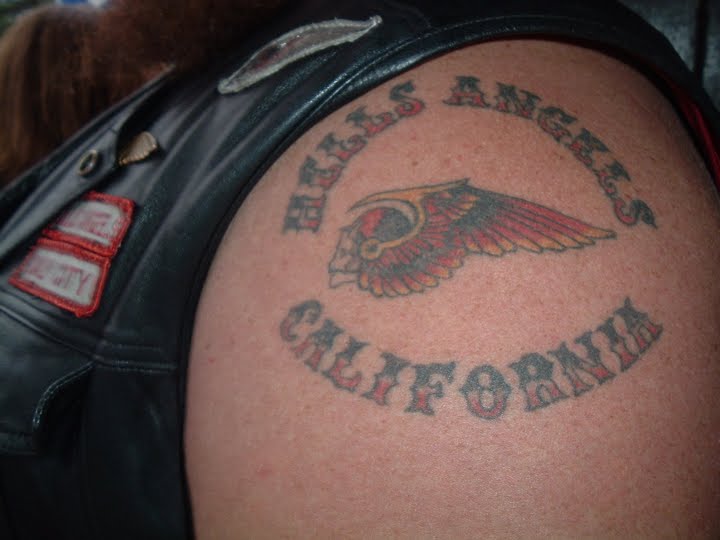
Throughout the 20th century, tattooing in Western contexts remained associated primarily with subcultures including military personnel, sailors, bikers, and counterculture movements. Social stigma limited mainstream adoption until the latter decades of the century, when tattoos became increasingly prevalent across demographic groups. Contemporary surveys estimate that roughly 30% of adults in the United States have at least one tattoo, reflecting a significant normalization of the practice over the past three decades.
Tattoo Preservation and Aftercare: A Historical Note
The history of tattoo aftercare is as long as the history of tattooing itself. Every tattooed culture developed methods for managing healing skin, and the surprisingly clean condition of ancient tattooed remains — mummies from Egypt, Peru, Siberia, and the Philippines show little or no significant scarring around tattoo sites — indicates that early practitioners possessed a sophisticated understanding of wound care.
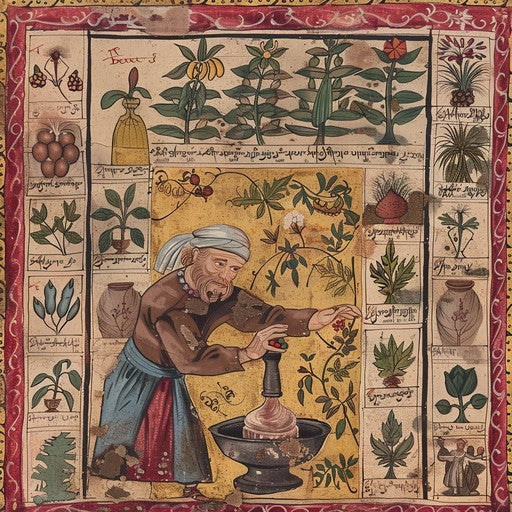
In many traditions, aftercare properties were built directly into the tattooing process. Polynesian tattooists used soot from burnt candlenuts mixed with sugar cane juice — ingredients with natural antibacterial properties. Inuit practitioners worked with pigments incorporating seal oil and ammonia-rich compounds used historically as antimicrobials. A 1,000-year-old Peruvian mummy studied by researcher Maria Anna Pabst was found to bear tattoos made from partially burnt plant material rather than common soot, suggesting the ink itself may have carried medicinal intent. Animal fats and plant oils — olive oil, rendered fish oils, tallow — served widely as post-application treatments, providing moisture and a protective barrier over healing skin.
In the 19th and early 20th centuries, as commercial tattooing expanded in Western port cities, much of this accumulated plant-based knowledge was lost. Aftercare in early Western parlors was largely improvised — alcohol for disinfection, animal fat, or simply air-drying. The introduction of petroleum jelly following Robert Chesebrough's 1859 patent eventually became the dominant aftercare approach throughout most of the 20th century. While petroleum-based products offered a basic protective barrier, subsequent dermatological research identified significant limitations: high occlusivity inhibits the airflow required for optimal wound healing, and petroleum jelly provides no active moisturization.
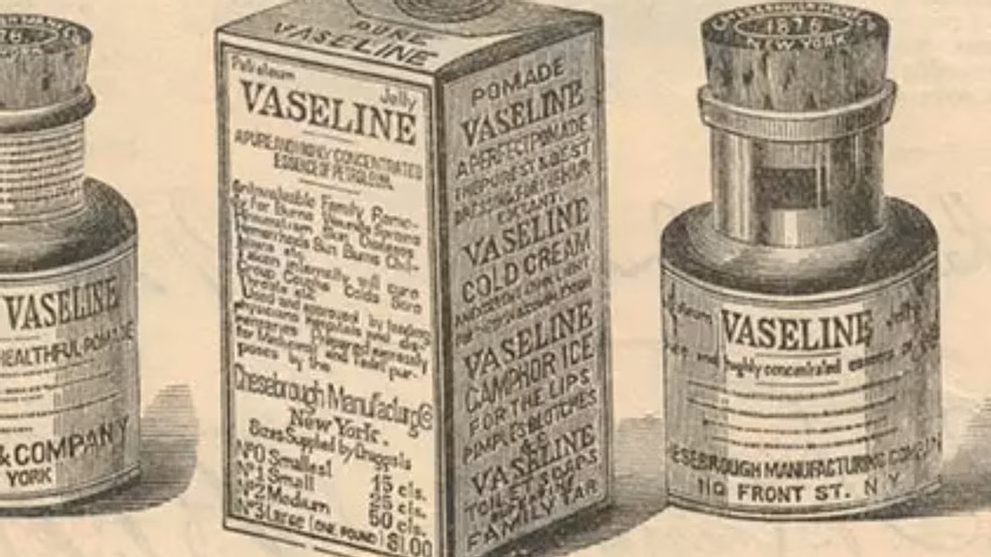
In the 19th and early 20th centuries, as commercial tattooing expanded in Western port cities, much of this accumulated plant-based knowledge was lost. Aftercare in early Western parlors was largely improvised — alcohol for disinfection, animal fat, or simply air-drying. The introduction of petroleum jelly following Robert Chesebrough's 1859 patent eventually became the dominant aftercare approach throughout most of the 20th century. While petroleum-based products offered a basic protective barrier, subsequent dermatological research identified significant limitations: high occlusivity inhibits the airflow required for optimal wound healing, and petroleum jelly provides no active moisturization.

Contemporary aftercare practice is grounded in moist wound healing principles — the now well-established dermatological finding that wounds heal faster and with less scarring when kept appropriately moist rather than dry. Modern purpose-formulated products increasingly incorporate plant-derived ingredients with documented skin benefits: castor seed oil, shea butter, jojoba oil, calendula, aloe vera, and vitamin E.
In this respect, current best practice represents both a scientific advance and a return to the plant-based approaches that ancient tattooing cultures employed for millennia. This is the philosophy at the heart of Vitalitree — that tattooing is a ritual deserving of genuine care, and that nature, as it always has, provides everything the skin needs to heal. Regardless of the era or tradition, the fundamental principles have remained consistent: protect the wound, maintain appropriate moisture, and trust the body's own process.