Tepezcohuite: The Bark of the Mountain and the Art of Healing

Tepezcohuite — the outer bark of the Mimosa tenuiflora tree — has been used in wound care for at least five centuries, and by some estimates considerably longer. Long before it appeared in a lab or a formula, it was dried, ground into powder, mixed with water or rendered fat, and applied directly to burns and wounds. The practice was documented consistently across generations of use.
Tepezcohuite was not rediscovered in any modern sense, as it was never lost. What's new is where it's being used: tattoo aftercare, an art form with its own long history of transformation and marking.
A Plant With History
The name, Tepezcohuite, traces back to Nahuatl, the language of the Aztecs, and is most commonly translated as "bark of the mountain," though accounts of the exact word breakdown vary. What's consistent across sources is a plain, descriptive name — the kind given to a plant people relied on, not one they treated as exotic or mysterious.
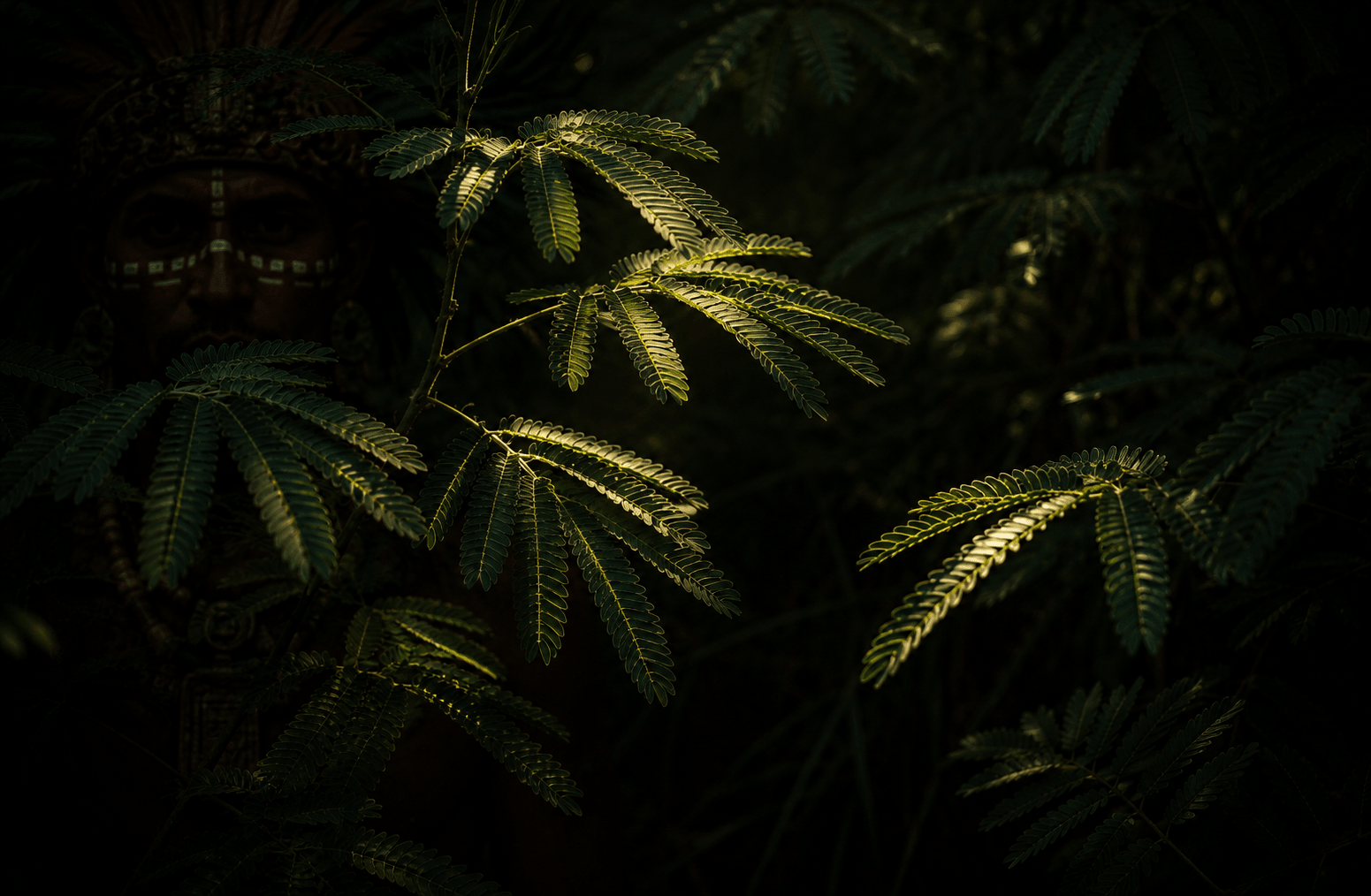
Mimosa tenuiflora grows natively across southern Mexico and Central America, particularly in the semi-arid regions of Oaxaca and Chiapas — hardy, drought-resistant, and reliably available in exactly the places where its healing use took root.
Tepezcohuite reached international attention in the 1980s, following a major industrial fire in Mexico City, when it was used to treat burn victims in local hospitals. The outcomes were documented and drew the attention of researchers. In the decades since, tepezcohuite has been the subject of ongoing scientific study examining what practitioners in the region had understood empirically for generations.

Jurema: The Sacred Dimension

In Brazil, Mimosa tenuiflora is known as Jurema, a name that carries a different set of associations. Indigenous peoples of northeastern Brazil — including the Kariri and Pankararu — have worked with Jurema in ceremonial and spiritual practice for centuries, in traditions that regard the plant as carrying properties beyond the physical.
The two traditions draw from different parts of the same tree. Ceremonial Jurema is prepared from the inner root bark, which carries a significantly higher concentration of the tree's psychoactive compounds. Tepezcohuite comes from the stem and trunk outer bark, where those compounds are only present in trace amounts. The Jurema tradition and the wound-care use of tepezcohuite aren't in tension; they're two applications of the same remarkable plant, developed independently for different purposes, each drawing on the part of the tree suited to it.
The Cultural Thread
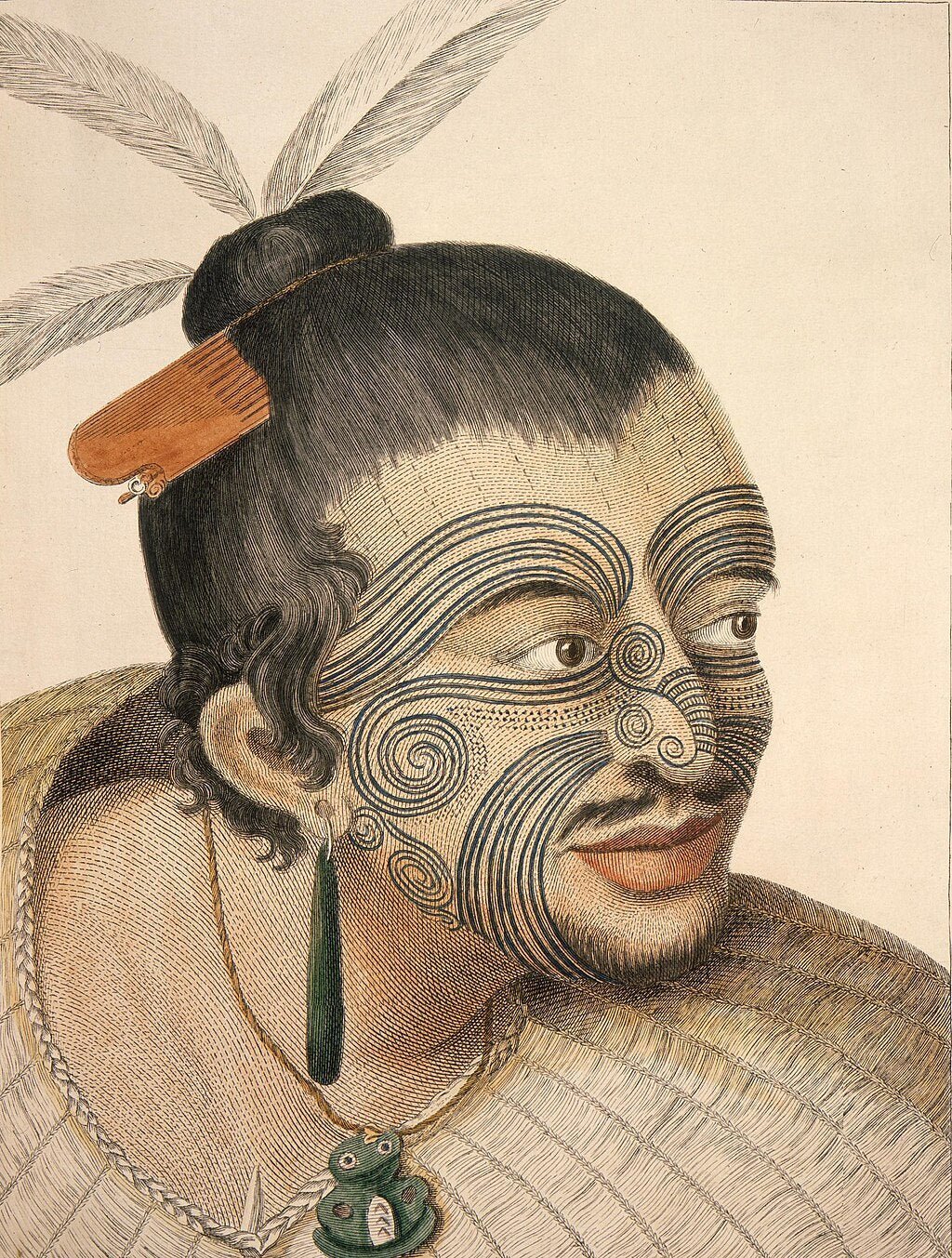
Tattooing has its own long history — in Polynesia, Japan, ancient Egypt, and across indigenous cultures of the Americas, predating electric machines and commercial shops by thousands of years. And nearly everywhere tattooing took hold, so did a practical understanding about caring for the skin afterward, built up through generations of direct observation and empirical knowledge.
Polynesian tattooists worked soot into sugarcane juice, chosen for its antibacterial properties. Inuit practitioners used seal oil and other natural antimicrobials. Across cultures and centuries, healing skin was treated with whatever plants and materials were local to that culture — and it worked well enough that tattooed remains recovered from Egypt, Peru, and elsewhere show remarkably little scarring around the tattoo sites, even after thousands of years.
Though there's no historical record of tepezcohuite being used for tattoo aftercare specifically, tattooing itself has deep roots in the same region: a tattooed mummy discovered near Oaxaca, dated to roughly 250 CE, confirms the practice was alive in precisely the area where tepezcohuite has grown and healed wounds for centuries. Given the consistency of other tattooing cultures using wound-healing plants around them, it's not unreasonable to imagine that tepezcohuite was used in the same manner.
What the Science Confirms
Modern research has spent several decades examining what practitioners in Mexico and Brazil already understood: tepezcohuite is biochemically complex, and its compounds appear to work in combination rather than in isolation.
The Active Compounds
Tepezcohuite bark contains tannins, flavonoids (including quercetin and kaempferol), mimosine, and saponins.
Tannins contribute astringent and antioxidant effects and help create an environment resistant to microbial growth. Flavonoids help stabilize cell membranes and reduce oxidative stress. Mimosine, an amino acid specific to Mimosa species, is associated with cell regeneration. Saponins reduce surface tension and support barrier function.
Research comparing whole-plant extracts to isolated synthetic versions of these compounds has generally found the whole extract more effective — evidence of a synergistic effect among the compounds rather than any single active ingredient doing the work.
What Research Has Documented
Documented effects of tepezcohuite in wound care include faster epithelialization (new skin cell formation across a wound bed), reduced scarring through effects on collagen synthesis, antimicrobial activity against a range of pathogens, and reduced inflammation and pain.
Early pharmacological research, including work published by Mexican researchers in 1990, identified the tannins and saponins in the bark as largely responsible for its antimicrobial and wound-healing effects. Later research has examined its effects across additional wound types and skin conditions, including a randomized controlled trial on venous leg ulcers that found a tepezcohuite-extract treatment outperformed standard care.
What Sets Vitalitree Apart
Natural, plant-based tattoo aftercare has gained real ground over the past several years, largely as an alternative to petroleum-based products. Vitalitree shares that direction, with two differences in approach.
A Strategic Botanical Formulation
Rather than building around one or two familiar ingredients, Vitalitree formulates with a specific set of plants chosen for their individual properties and how they work together.
Alongside Mimosa tenuiflora, Vitalitree's formulations include calendula, one of the most studied wound-healing botanicals in Western herbal use; chamomile, for its anti-inflammatory and skin-soothing effects; witch hazel, a long-used astringent; and yarrow, used in wound care across both European and Indigenous American traditions.
Each ingredient has its own documented history of use. None were selected for marketing reasons alone.

From Extraction to Your Hands
Vitalitree controls its own extraction, manufacturing, and distribution. Most brands — including many with good intentions — outsource one or more of these steps, which introduces variability and reduces traceability.
Handling the process directly means Vitalitree can account for what goes into every product, and maintain consistent quality across batches.
What Artists and Clients Experience
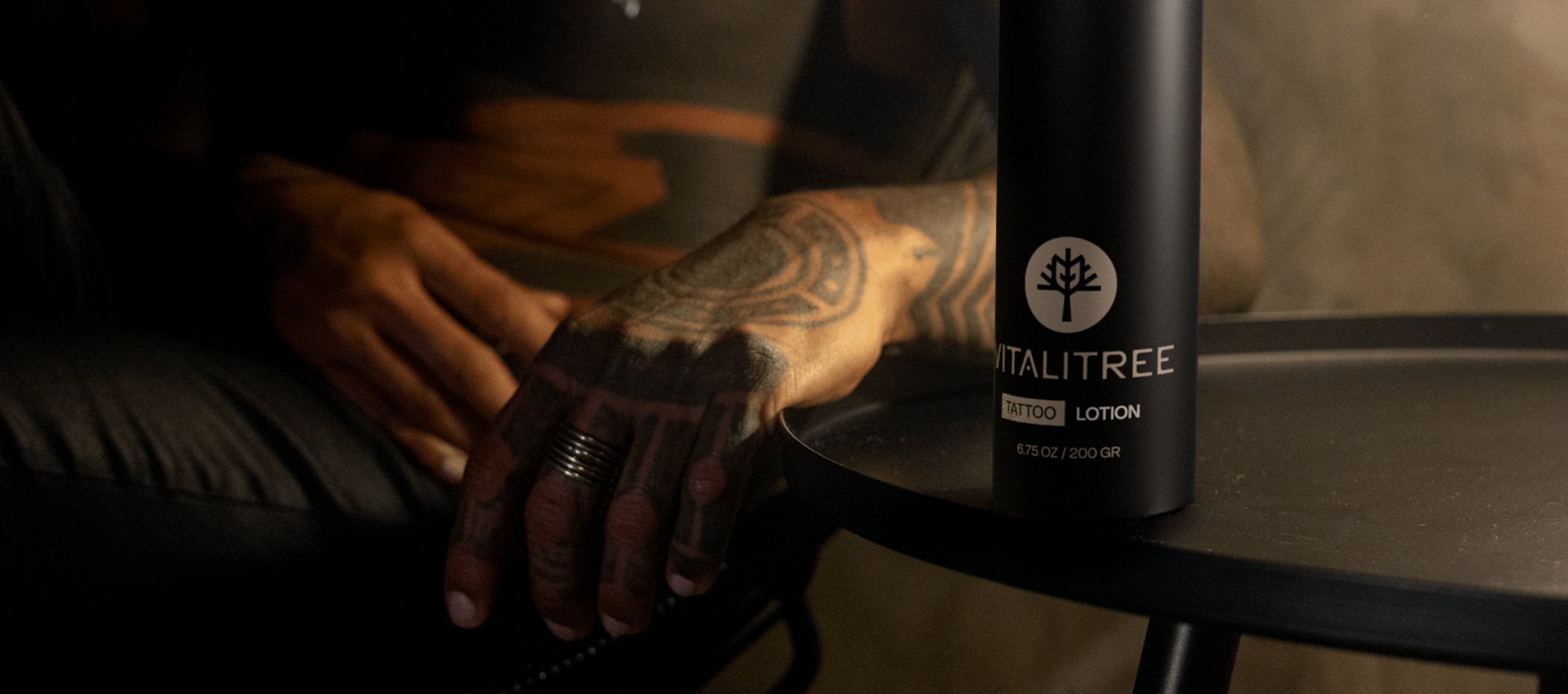
Tattoo artists who use Vitalitree report consistent observations: less itching during healing, reduced swelling and redness in the first week, a shorter peeling stage, and better long-term color retention.
These aren't controlled clinical results. They're observations accumulated by professionals who work with healing skin every day.

Bringing Something Real
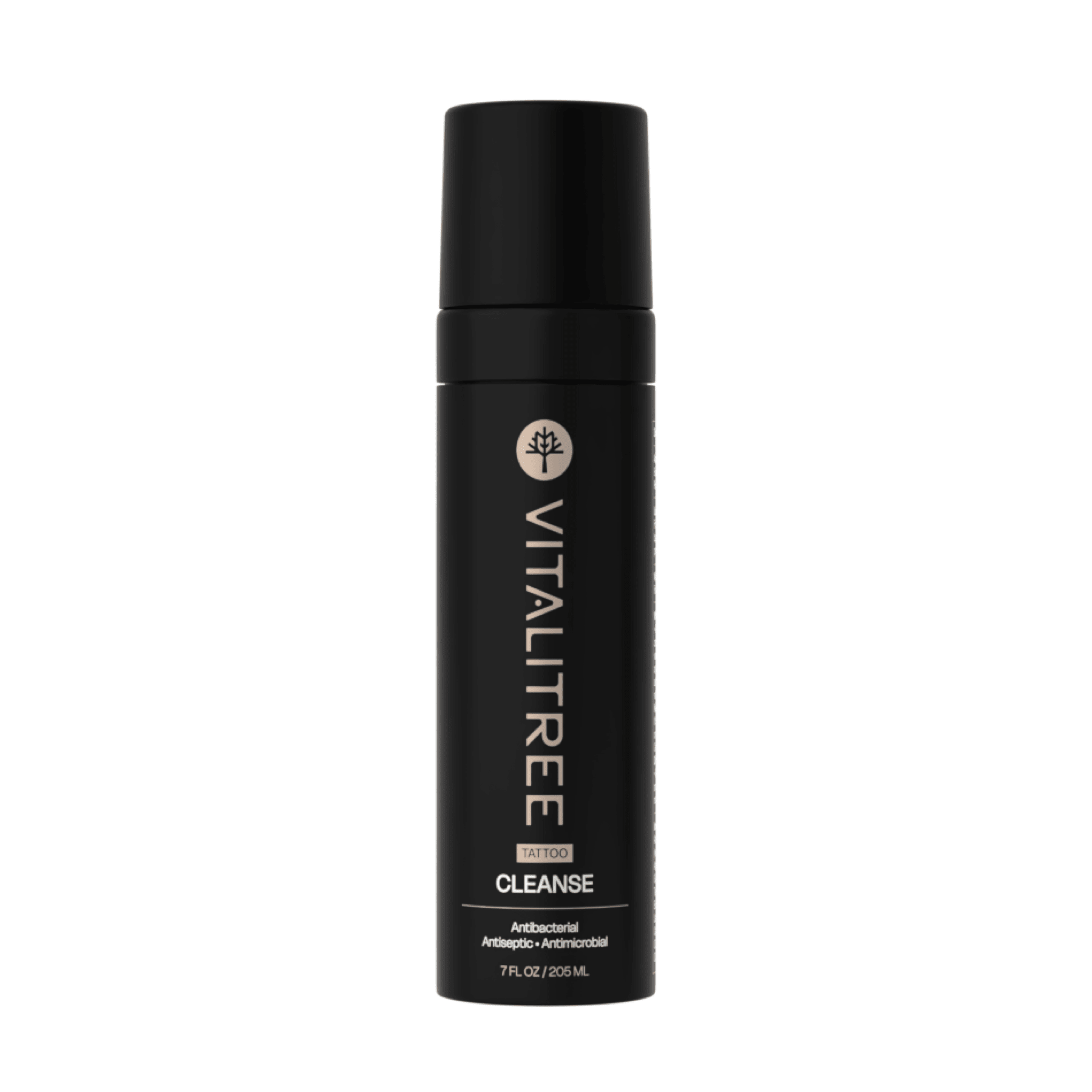
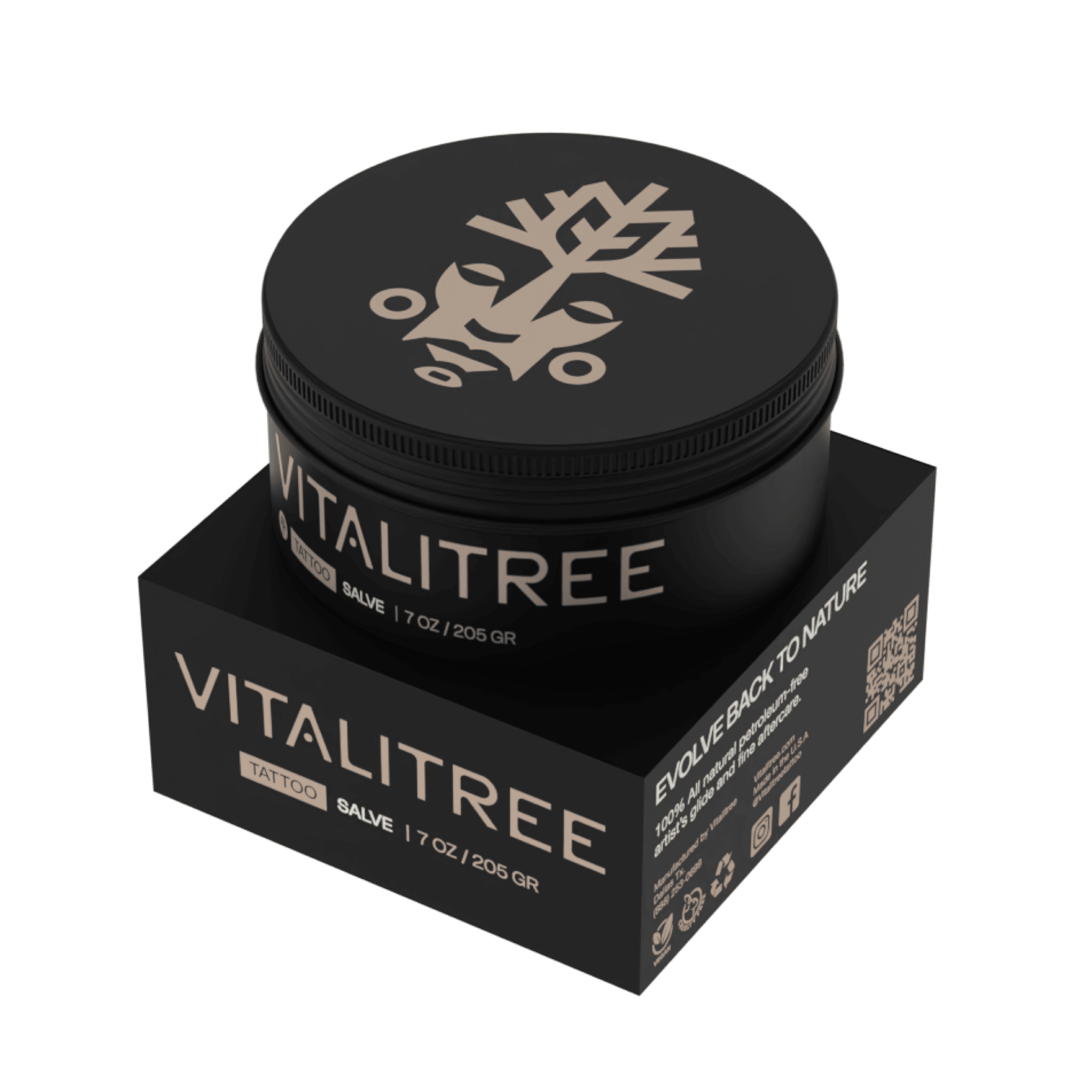
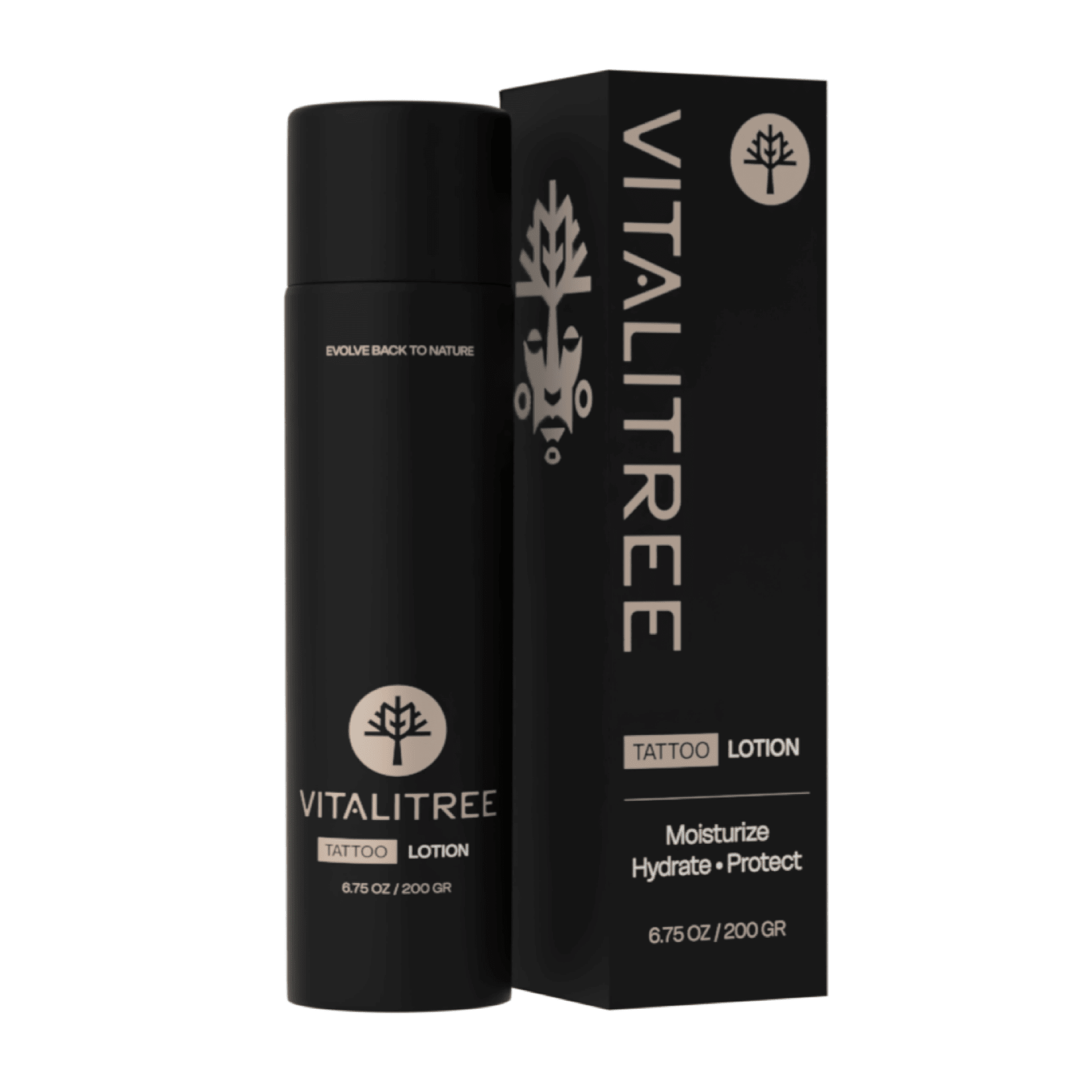
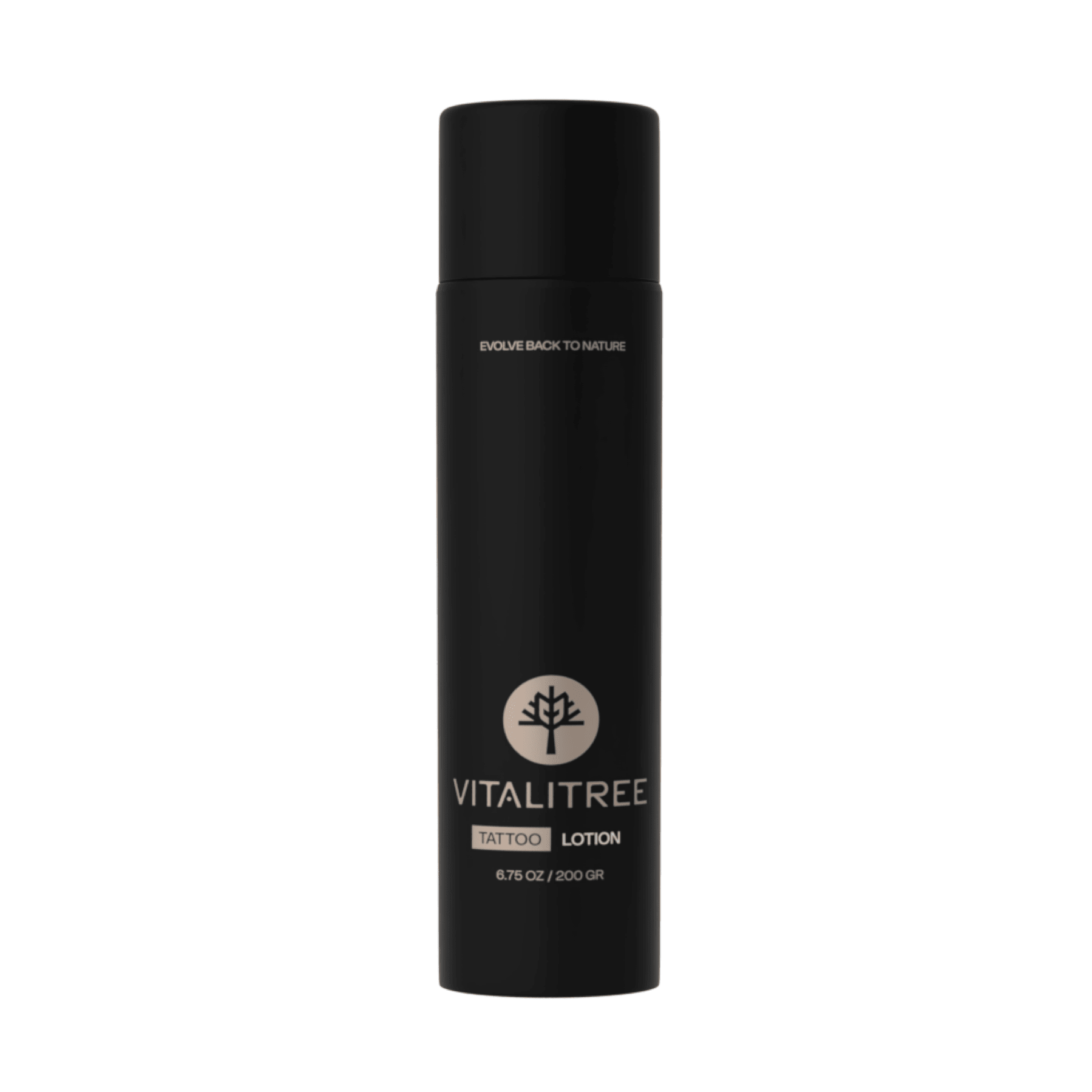
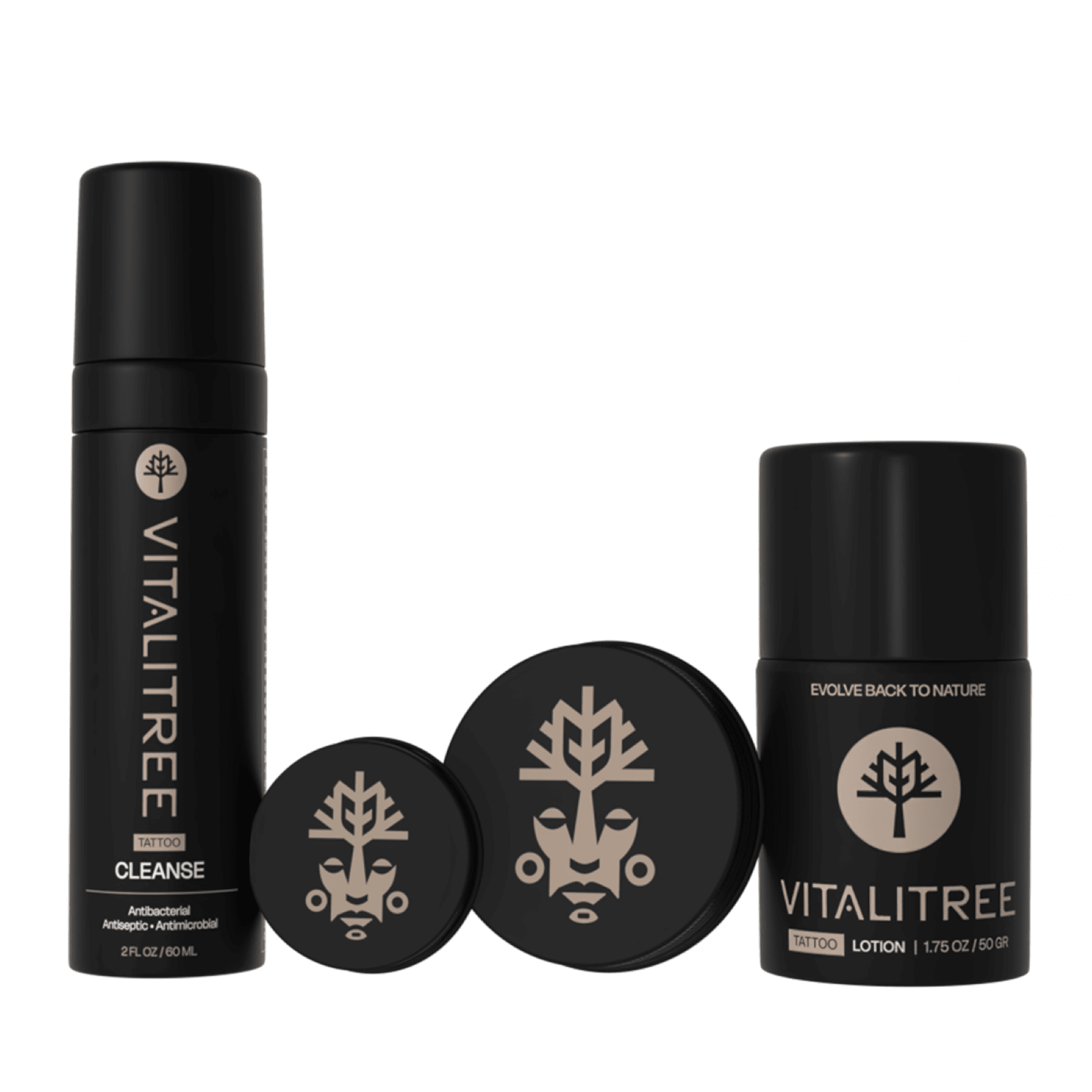
Vitalitree wasn't built from market research or trend forecasting. It began authentically with tepezcohuite: a plant with a documented healing history, a tattoo community that deserved better than petroleum jelly and synthetic fragrances, and a set of values that lined up with both.
That premise hasn't changed in the years since.
Key Takeaways
- Tepezcohuite is the outer bark of Mimosa tenuiflora, used for at least five centuries in Mexican and Central American healing traditions for wound care.
- Known as Jurema in Brazil, Mimosa tenuiflora also holds ceremonial and spiritual significance in indigenous healing traditions, reflecting the breadth of the plant's cultural reach.
- Its active compounds — tannins, flavonoids, mimosine, and saponins — appear to work synergistically to accelerate healing, reduce inflammation, provide antimicrobial protection, and minimize scarring.
- Vitalitree pairs tepezcohuite with calendula, chamomile, witch hazel, and yarrow, each with its own documented history in wound care.
- Vitalitree controls its process from extraction through manufacturing to distribution, supporting consistency and traceability.
- For tattoos specifically, this translates to faster healing, reduced inflammation, lower infection risk, and better long-term color retention.
- Vitalitree brought tepezcohuite to the tattoo world as a genuine pairing between a plant with an extraordinary healing lineage and an art form with its own deep roots.
Botanical Innovations for the Art of Self Expression